A BESS (Battery Energy Storage System) is an integrated solution that stores electrical energy for later use. It is commonly used to store solar or wind power and supply it during peak demand periods, outages, or when electricity prices are high.


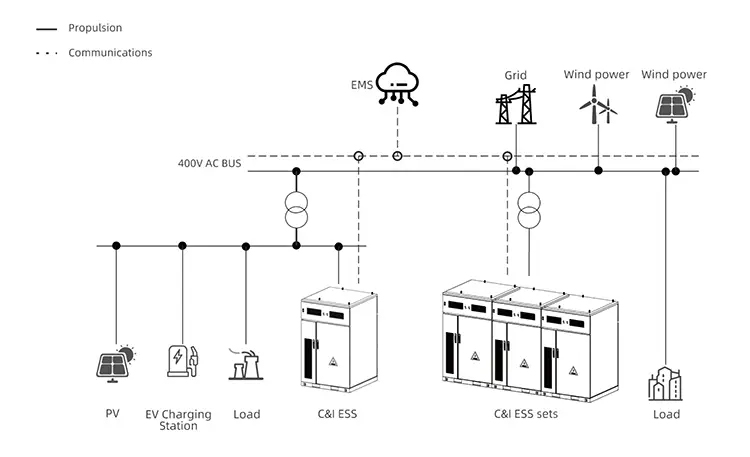
BESS, short for Battery Energy Storage System, is an advanced energy storage technology solution widely adopted in the renewable energy sector. Within the industry, it is commonly referred to as “BESS” or “BESS batteries.” Its core function is to store electricity generated from renewable sources such as solar and wind energy, and release it during peak demand periods, power outages, or times of high electricity prices.
The most typical application scenario for BESS is integration with solar systems: charging during sunny daytime hours and releasing electricity at night or during periods of power shortages, helping users achieve energy self-sufficiency, cost optimization, and power reliability. Especially in addressing the intermittent power generation issues of renewable energy, BESS plays a particularly critical role.
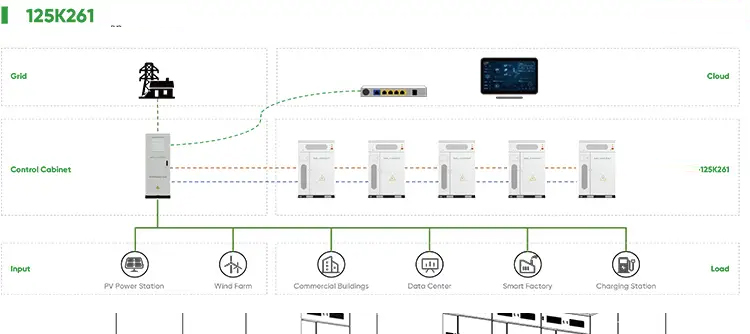
The working principle of BESS is simple and efficient:
The entire process is controlled by multiple subsystems, enabling intelligent energy management and high-efficiency conversion.
Primarily use lithium iron phosphate (LiFePO₄) batteries to ensure higher safety, stability, and cycle life.
Monitors, balances, and protects battery status in real-time.
Responsible for converting between DC and AC.
Coordinates the operation of the BMS, PCS, loads, and grid to achieve intelligent scheduling.
Includes air-cooling or liquid-cooling mechanisms to ensure the system operates at optimal temperatures.
Used for overall system installation, protection, and modular integration.
BESS plays a multifaceted role in modern energy systems, covering power scheduling, safety assurance, and energy conservation and emission reduction:
Charges during periods of low electricity prices or low load, and discharges during periods of high electricity prices or high load, optimizing electricity costs.
Stores excess electricity from solar or wind energy and uses it during periods of no sunlight or wind, improving energy utilization efficiency.
Provides emergency power supply during power outages or grid voltage instability to ensure the operation of critical equipment.
Rapidly responds to grid frequency changes and participates in auxiliary services in the power market to generate revenue.
Collaborates with microgrids in remote areas or independent systems to enhance autonomy and stability.
The electrical control system of BESS is technically complex and is the core component ensuring the intelligent, safe, and efficient operation of the entire system, representing an important direction for smart energy and green urban development.
BESS is widely applied across multiple sectors, covering the full range of needs from residential users to large-scale energy infrastructure:
Store daytime solar energy for nighttime use or ensure normal operation of household lighting and appliances during power outages.
Helping businesses manage peak electricity consumption, reduce demand charges, and serve as backup power for critical equipment.
Grid operators deploy large-scale BESS projects to enhance grid stability and delay the expansion of power infrastructure.
Providing energy self-sufficiency solutions for remote areas, islands, military facilities, and other locations.
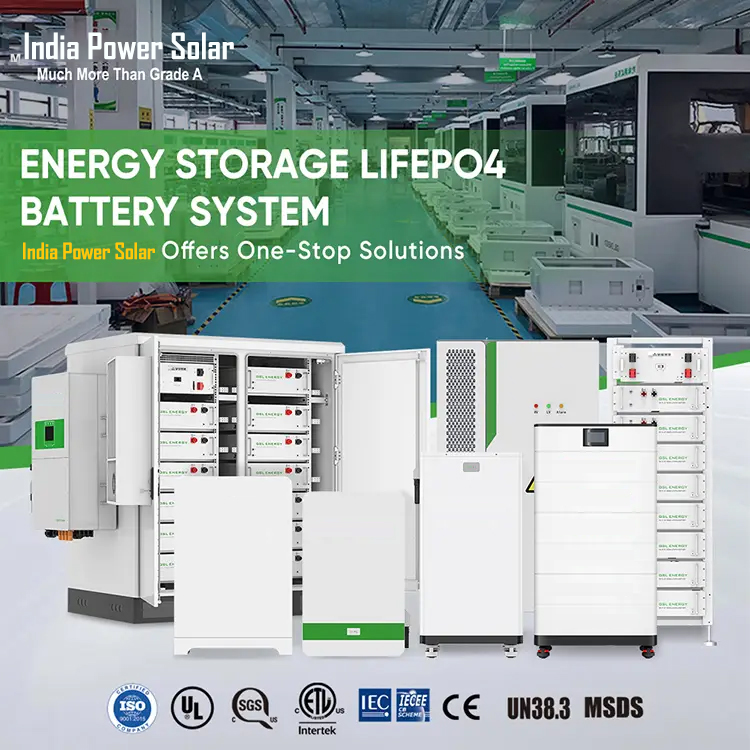
As one of the world's leading energy storage equipment manufacturers, India Power Solar offers comprehensive, multi-scenario BESS solutions:
Today, as the global energy transition continues to advance, BESS is emerging as one of the key technologies for building a low-carbon society and smart energy systems. If you are interested in learning more about professional energy storage solutions, please feel free to contact India Power Solar. We can tailor battery energy storage systems to suit various application scenarios.